Before 2022, AI was mainly a behind-the-scenes technology, confined to specific technical fields and only powering recommendation engines.
Then came the post-2022 era, where generative ChatGPT and automation tools flooded every industry. And what was once a concept to the average employee became a reality and a readily accessible tool.
Initially, the reactions were positive—productivity soared, and tasks that once took hours now wrapped up in minutes.
But as AI’s presence in the workplace is solidifying, it’s also triggering strong emotional and reactionary resistance from people.
And would you blame them? People are getting laid off left and right. As I write this, Microsoft just laid off 6000 employees and replaced them with AI.
So I get why people are angry and how the public response to AI has shifted from curiosity to AI Derangement Syndrome.
What is AI Derangement Syndrome?
AI derangement syndrome occurs when fear, paranoia, and irrational reactions dominate the conversation surrounding artificial intelligence.
It is the safe knee-jerk reaction we get when confronted with a new reality that shatters the veneer of our perceived normalcy.
People who suffer from this syndrome see every new AI update as a threat, not a helpful tool.
We’ve discussed this syndrome in-depth in our blog post. It’s worth reading to get the full picture of where all this panic is coming from and how it’s showing up in the real world.
That said, let’s zoom in on why there’s an increasing resistance to AI in the workplace.
Why are People Resistant to AI?
Inventors have positioned AI as the savior of productivity. But for many workers, that promise is overshadowed by the threats that come with its adoption. Some of these threats include:
1. Job Security and Anxiety
It’s only expected that we start from the elephant in the room — layoffs.
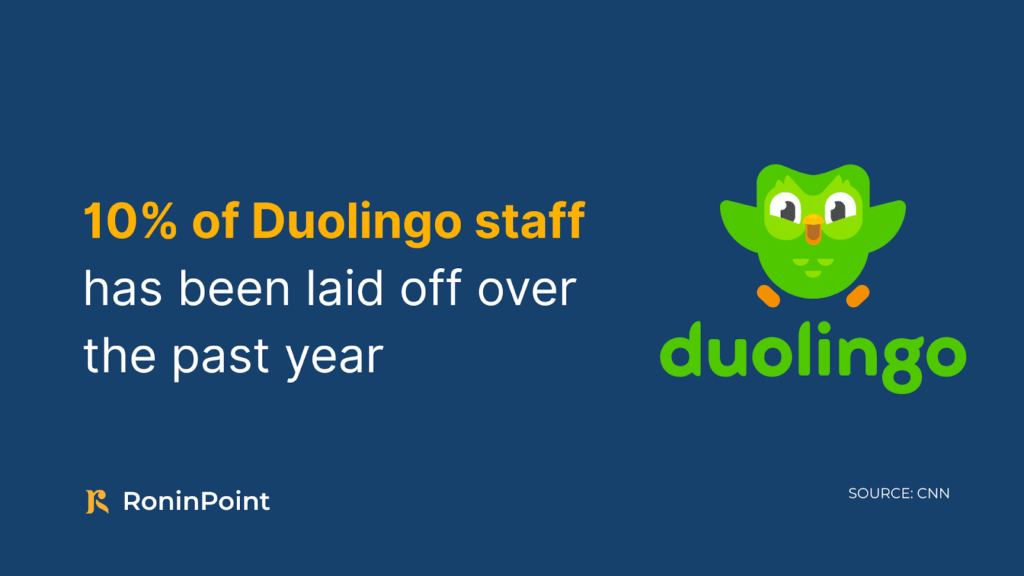
The World Economic Forum’s Future of Jobs Report (2023) predicts that while AI will create 69 million new roles, it will eliminate 83 million by 2027.
That’s a projected net loss of 14 million jobs globally, with clerical and administrative roles hit the hardest.
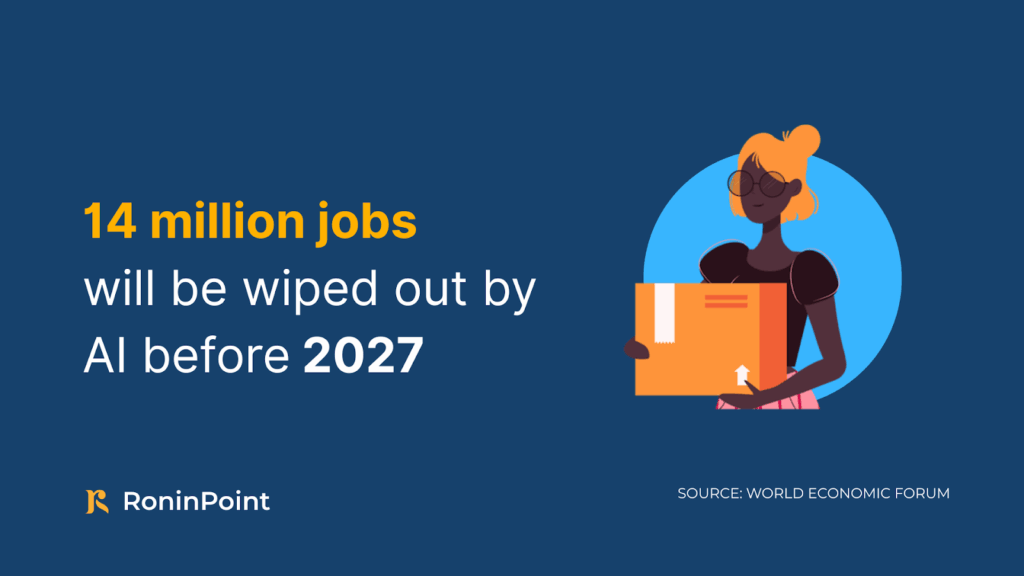
Even if companies reassure workers that “AI will assist, not replace,” it’ll be impossible to ignore headlines about mass layoffs following major AI rollouts, such as Duolingo cutting 10% of its workforce to prioritize AI.
2. Loss of Control and Identity
In addition to a threatened job security, AI challenges professional identity.
The resources and years invested into mastering a skill, only to now be told that an algorithm can do it “faster and cheaper.”
No doubt, this is a welcome advantage. However, the problem lies when workers are devalued or sidelined by AI.
When AI systems begin to automate decision-making or performance evaluations without involving workers, it threatens their sense of purpose and professional identity.
This tension, particularly, is fundamental in content roles like writing, where they replace human writers with generative AI tools.
3. Lack of Trust and Transparency
People often distrust AI decisions, especially when they can’t understand the reasoning behind the outputs or when companies use AI in sensitive areas like hiring.
And they’re not wrong to be skeptical. AI systems are only as good as the data they’re trained on, which often carries bias, inequality, or plain errors.
There are current speculations of AI models discriminating against certain accents in hiring or penalizing them in voice recognition systems.
This raises the question: When AI makes an error, who is responsible for it? Too often, the answer is no one, and this lack of accountability further erodes public trust.
4. Insufficient Training and Knowledge
Many companies deploy AI tools expecting workers to figure it out on the fly. That’s a big assumption and a dangerous one.
Without structured training and clear communication about AI’s role, it becomes just another tech burden instead of a reliable assistant.
This, of course, breeds frustration, confusion, and resistance. Not because workers are unwilling to learn, but because they’ve been given the tool without the manual.
5. Resistance to Change
Change fatigue is real. After years of digital tool pivots, many employees are simply exhausted and would rather stick to familiar workflows.
Even when AI offers better workflows, it can feel like another tool in a growing stack of tools they must adapt to.
And if companies introduce AI without genuine involvement from the employees who will use it, it defeats the whole purpose.
The Cost of Workplace AI Derangement Syndrome
These emotional reactions from employees may be understandable, but when companies ignore or mishandle the pushback, they pay the price, often in more ways than they anticipate.
The most obvious cost is the financial waste. AI implementation is expensive. Between software licenses, infrastructure upgrades, and employee training, organizations can spend tens or even hundreds of thousands of dollars a year.
But when employee resistance goes unaddressed, all that investment can go to waste, as the value of the implementation never materializes.
In some cases, AI-driven layoffs can deepen the damage. They produce anxious teams. “Am I next?” becomes a daily thought, draining their morale and, ultimately, affecting their productivity.
And there’s the problem of team division. AI enthusiasts and skeptics end up clashing, which stalls projects and creates unnecessary tension within teams that should be collaborating.
These are typical consequences. However, depending on the industry, team dynamics, or leadership style, the cost can take different forms.
How Companies Can Handle AI Derangement Syndrome at Work
The fear and resistance to AI are real. But what if companies could convert this resisting group with a strategy built on psychological safety, clarity, and trust?
Here are some researched, tested, and approved ways:
1. Transparent Communication
Research says that organizations with clear, consistent communication around AI initiatives can reduce resistance to change and increase acceptance.
This means that companies must learn to communicate with employees before, during, and after the entire AI implementation.
Utilize various communication methods to ensure that information reaches everyone. Leave no room for doubt by providing them with the necessary information and context.
To that effect, you can also quell their fears by answering questions like:
- What will the AI tool do?
- Why is it being implemented now?
- What does it or doesn’t change?
- How can they contribute to the change?
2. Education and Training
A rushed workshop or a 20-minute onboarding video for a complex technology like AI doesn’t count as training. It’s more like the fastest route to a failed implementation process.
Instead, organizations should provide adequate education, offer tiered training, host live Q&A sessions, and offer support that adapts to learning curves.
They can also make resources available after the rollout to continuously guide workers to expertise.
When people feel empowered, they stop feeling threatened.
3. Employee Involvement
Instead of imposing this new technology on your workers, a better approach is to co-create the AI roadmap with them. People don’t fear what they helped shape.
What this means is:
- Involving them in early testing and pilot phases.
- Soliciting honest feedback about what’s working, what’s confusing, and what feels dystopian
- Making adjustments based on the feedback
When you involve employees throughout the implementation process, you’re bound to see a better success rate.
4. Ethical AI Practices
AI derangement spikes when workers feel surveilled, judged, or manipulated by systems they don’t understand.
If you want people to trust and work alongside AI, you should be willing to protect their dignity within the system.
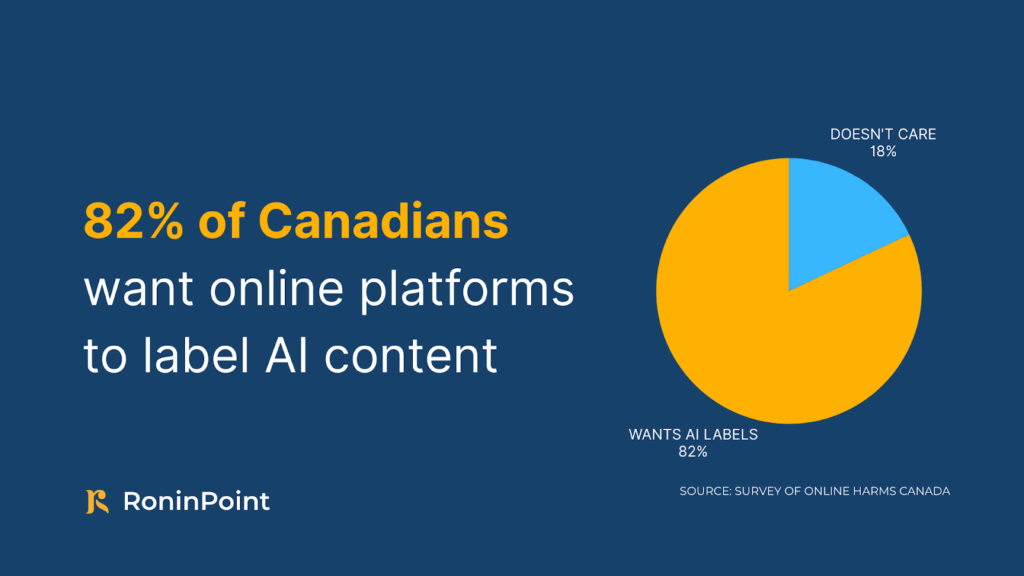
Show them that the AI systems guiding their work (or evaluating their performance) are fair, explainable, and human-reviewed.
Be loud about your ethical boundaries. Share your audit process. Be transparent about human oversight. Show that fairness matters.
5. Leadership Support and an AI-Modeled Culture
If leaders preach the gospel of AI but still outsource their presentations to interns and cling to their old workflows, workers won’t take them seriously.
Leaders must model AI adoption from the top. They need to utilize the tools, make their learning visible, and own their mistakes. That’s how you normalize the messiness of change.
And above all, create a psychologically safe workplace, where people are encouraged to ask, try, and fail without fear of embarrassment.
The Future of AI in the Workplace
A reality we must face is that AI is here to stay, and at some point, everyone will have to get with the program.
Organizations will need to foster a culture of collaboration and effective communication around AI to integrate it into their operations and drive innovation successfully.
This means providing an environment where teams can work together effectively, share feedback, and continuously improve their AI use cases.
And for writers, the future has never been clearer than it currently is. While innovative tools like Undetectable AI optimize and humanize AI content, human creativity will always remain exclusive to us.
Yes, AI can mimic styles and voices, but it cannot produce original content informed by experience or emotion.
However, holding on to that creative edge means we can’t afford to sit this out. Only writers who adapt and learn how to wield AI as a tool will outpace those who don’t.
Need original content? Contact us today for your professional writing services.
Who wrote this?

Joanna is a versatile content writer with a knack for creating helpful content that resonates with others. When she’s not typing away, she finds solace in quiet moments, music, and cinematography videos. She believes she has an untapped well of creativity inside her and she’s willing to dig deep to fetch it out.
- Joanna Ali

- Joanna Ali

- Joanna Ali

- Joanna Ali

- Joanna Ali

- Joanna Ali

- Joanna Ali

- Joanna Ali

- Joanna Ali

- Joanna Ali

- Joanna Ali

- Joanna Ali

- Joanna Ali

- Joanna Ali

- Joanna Ali

- Joanna Ali

- Joanna Ali

- Joanna Ali
- Joanna Ali

- Joanna Ali

- Joanna Ali

- Joanna Ali

- Joanna Ali

- Joanna Ali

- Joanna Ali

- Joanna Ali