AI skepticism is fast becoming the new normal in client relationships. Just like film photographers scoffed at digital cameras, AI is going through the same phase.
For every person excited about automation and scale, there’s another worried that AI equals shortcuts, plagiarism, or a complete erasure of authenticity.
And if you’re a freelance writer, digital creator, or content marketer, chances are you’ve already had to defend your work against these claims.
So, how do you reassure clients without sounding defensive or apologizing for working smarter?
Here are 8 ways to help you deal with client concerns about AI.
1. Understand Where the Fear is Coming From
Clients aren’t waking up in cold sweat over AI for no reason. There are triggers, and before you jump into defense mode, it’s more reasonable to understand the source of their worries.
Asking meaningful questions can help you get clarity on what their exact fears are, and also show that you’re trying to understand their perspective.
And once clients feel heard, they’ll be more open to hearing your side.
For example, you can ask questions like:
- Can you tell me more about what specifically worries you?
- Have you had a bad experience with AI-generated content before?
- Is it the quality, originality, or something else?
2. Be Transparent About Your Process
When clients hear “AI,” they picture you feeding a prompt into ChatGPT and handing over the first draft that pops out. That’s the stereotype.
And with how widespread AI is now, there’s a slim chance of you escaping the AI question, except it’s with clients who don’t mind.
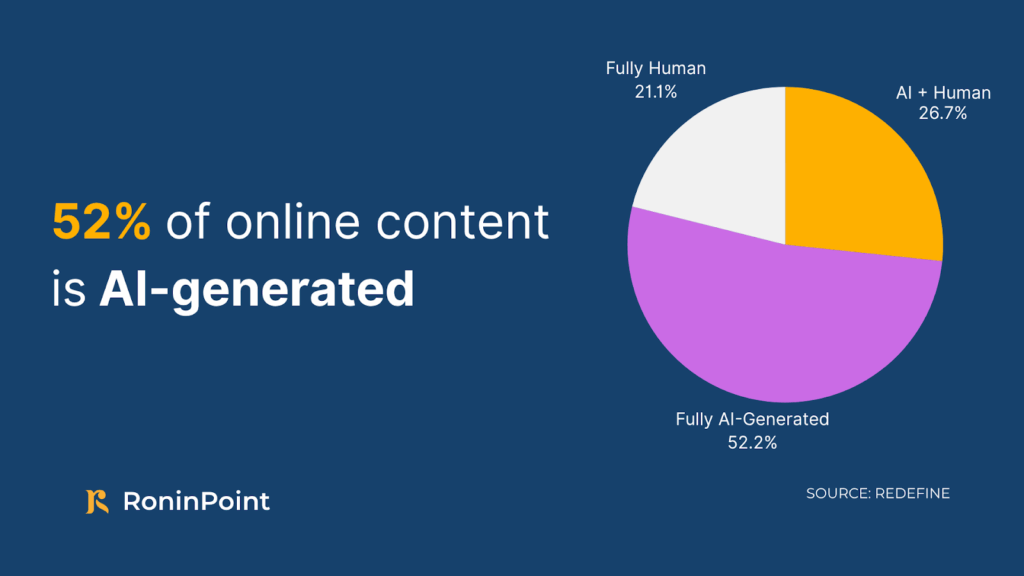
This is where you need to be transparent about your writing process. Explain which parts of your workflows involve AI tools.
Do you use it for outlining? Keyword research? Spell checks? Brainstorming assistance? Tell them that, and also explain where your human expertise takes over.
Remember, though, that your goal is to show them that AI doesn’t define your process, not to lie that AI is absent in it.
3. Educate Without Overwhelming
Nobody likes being schooled, especially when they already feel uncertain. When explaining how you use AI, do so with a gentle and confident tone.
You can start by calmly dismantling some of these common fears:
- “Isn’t AI content banned by Google?”
No. Google focuses more on the quality of content, rather than how you produce it. However, using AI to generate content solely for the purpose of manipulating search rankings is where the problem lies.
- “Won’t it sound like every other AI blog post out there?”
Yes, if you copy and paste. No, not if a skilled writer treats it as a first draft, applies human insight, and rewrites it for tone, clarity, and purpose.
- “Isn’t it unethical to use AI and charge me as if you wrote it?”
Again, you need to be transparent about your process here and let them know that you never submit AI-generated drafts. Instead, you refine them, the same way an architect might use software to speed up blueprints, but still applies human design judgment.

Are you struggling to maintain consistent content? Here’s how you can optimize your workflow for marketing success.
4. Offer Options and Boundaries
There’ll be clients who just don’t want AI in their content at all, and that’s okay. Instead of fighting them on it, give them the choice.
Offer to abide by their “No AI” rules, but also communicate how it might affect the content’s turnaround time or cost, since you’ll be handling everything manually.
This shows your respect for their boundaries and gives them a sense of control. It also shows you’re confident in your skills and subtly reinforces that AI is a time-saver, not a quality crutch.
If it’s a client who’s not totally against AI but just needs reassurance of your authenticity, you can offer a “light use” version. Say, for research only, outlines only, or spell checks only, and nothing more.
These micro-boundaries help rebuild trust without compromising your workflow completely.
5. Lean on Metrics to Communicate the Benefits
Often, when a client is skeptical about AI, they’re unsure how it will help or hurt their business. This presents the opportunity to shift the conversation away from tools and toward results.
If you’ve used AI-assisted workflows to improve performance, whether that’s faster delivery, improved SEO rankings, or higher engagement, lead with the results.
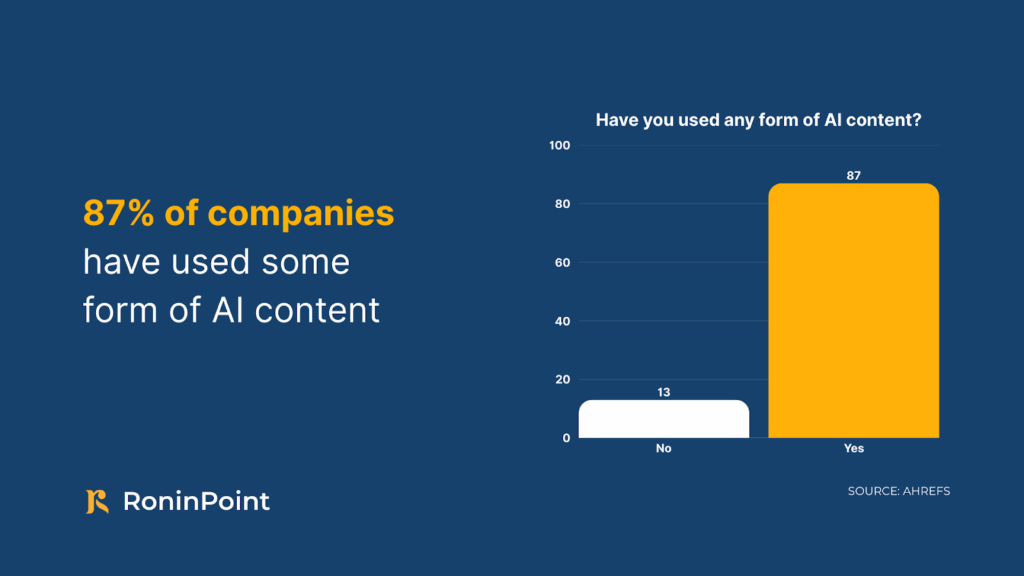
Anchor the conversation in business outcomes, showing how you are using (or have used) AI to meet client goals. Here are some examples:
- “By using AI to speed up research and outlining, I was able to cut the turnaround time by 40%, which helped X brand increase consistency and improve organic traffic.”
- “I tested AI-assisted headline variations, then refined them manually. The top-performing one doubled the email open rate for their weekly newsletter.”
6. Reaffirm the Value You Bring as a Writer
Yes, AI can do many things, but it cannot:
- Understand pain points in context
- Adapt brand voice based on subtle feedback
- Plan content strategically based on trends and goals
- Translate vague briefs into high-performing assets
- Revise drafts with editorial taste, not just grammar rules, etc.
AI is a tool. You are the creative and the storyteller. And your clients are hiring you for what you can do—make sure they see that.
Remind them that your value is not in the tools you use but in understanding what matters to the readers and producing content that meets their intent.
7. Highlight Compliance and Ethics
For clients in sensitive industries, such as finance, healthcare, tech, and law, AI raises more than just creative concerns. It raises legal and ethical red flags.
And they’re not wrong to be cautious. AI tools draw from massive datasets that include scraped content and can fabricate facts, copy existing content, or hallucinate bold claims.
Instead of dismissing their concerns, reassure them that, while AI might assist your workflow, it doesn’t replace your research skills or responsibility.
Let them know how you:
- Manually fact-check stats or industry-specific claims
- Run plagiarism checks to make sure nothing crosses ethical or legal lines
- Use tools like Undetectable AI to humanize content, ensuring it sounds authentic and avoids typical AI patterns
- Follow compliance guidelines specific to their industry, and ensure that you’re open to reviewing their provided internal standards.
And if you need that extra check, the expert editors at RoninPoint can proofread your work to ensure accurate stats and compliance with industry standards.
This shows you’re aware of the potential risks, but also serious about maintaining accuracy and credibility.
8. Prepare for Future Conversations
While one client might be okay with AI today, future clients might not be. At the same time, even if a client is okay with AI today, their anxieties may evolve as AI continues to improve.
So, it’s best to stay ahead of the conversations. Get updates from Google, OpenAI, and major content platforms. Stay active in writing communities to understand how others are using (and misusing) AI.
You can also document your process now so you’re not scrambling to explain it when asked later. Or collect testimonials from clients who were initially skeptical but later satisfied with your AI-assisted workflow.
This way, whenever concerns arise, you can stand your ground and erase their fears.
Create the Best Content Strategy with RoninPoint
As AI abilities improve, the AI conversation is only going to get louder, for good and bad reasons. Some clients will panic, some will misunderstand, and others will need reassurance.
Regardless, your job isn’t to sell them on AI. You only need to show them that, irrespective of the tools or technology involved, the content you deliver is thoughtful, helpful, and 100% you.
Don’t apologize for being efficient—just own your process, be transparent, stay informed, and deliver high-quality content.
Ultimately, what most clients will care about is: “Will this content help my brand connect with the right people?”
If your answer is yes—and your process proves it—you’ll be good to go.
Need help planning your content creation stage, from ideation to publishing? At RoninPoint, we help you shape your writing and AI workflows into strategies that reassure and win clients over.
Who wrote this?

Joanna is a versatile content writer with a knack for creating helpful content that resonates with others. When she’s not typing away, she finds solace in quiet moments, music, and cinematography videos. She believes she has an untapped well of creativity inside her and she’s willing to dig deep to fetch it out.
- Joanna Ali

- Joanna Ali

- Joanna Ali

- Joanna Ali

- Joanna Ali

- Joanna Ali

- Joanna Ali

- Joanna Ali

- Joanna Ali

- Joanna Ali

- Joanna Ali

- Joanna Ali

- Joanna Ali

- Joanna Ali

- Joanna Ali

- Joanna Ali

- Joanna Ali

- Joanna Ali
- Joanna Ali

- Joanna Ali

- Joanna Ali

- Joanna Ali

- Joanna Ali

- Joanna Ali

- Joanna Ali

- Joanna Ali